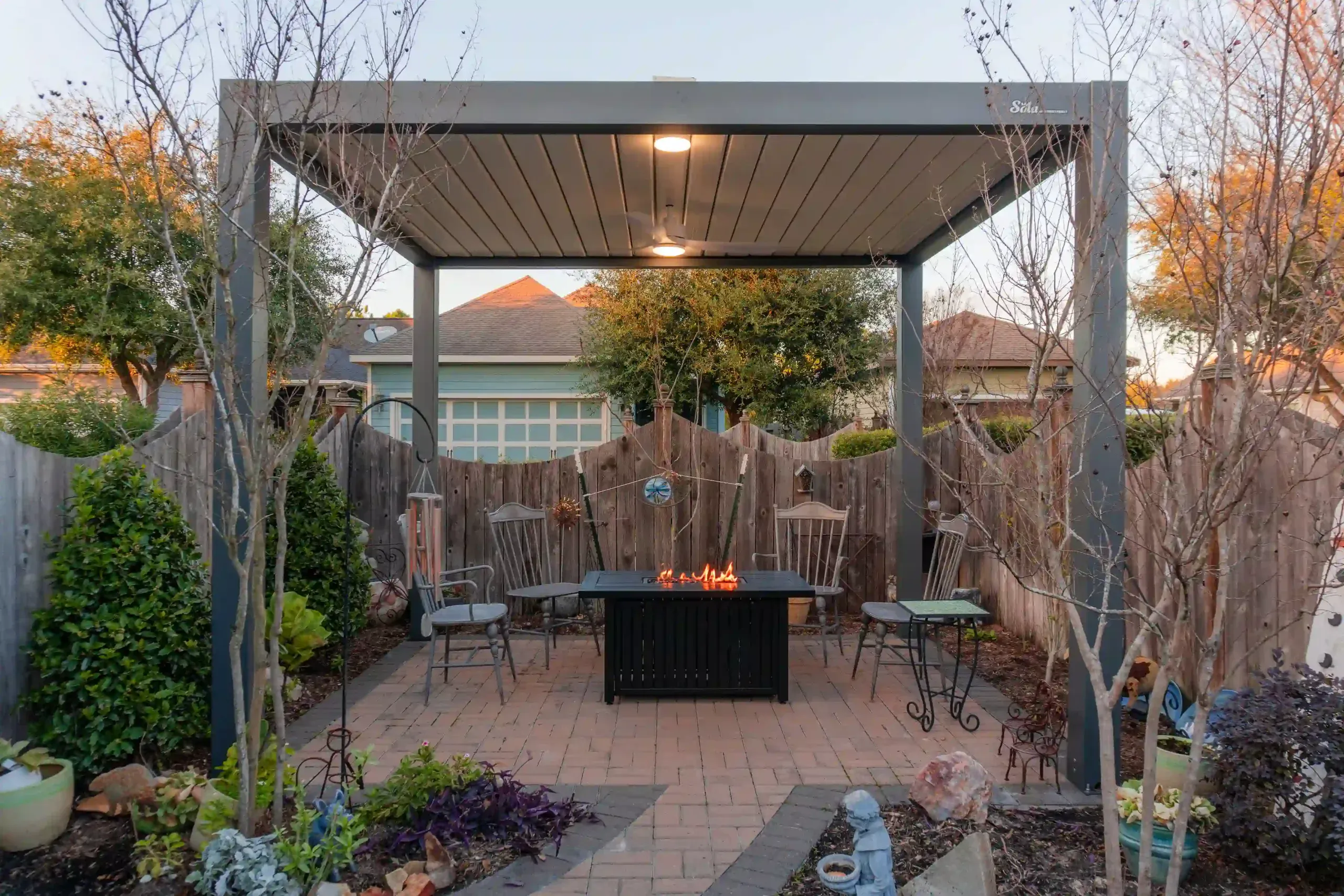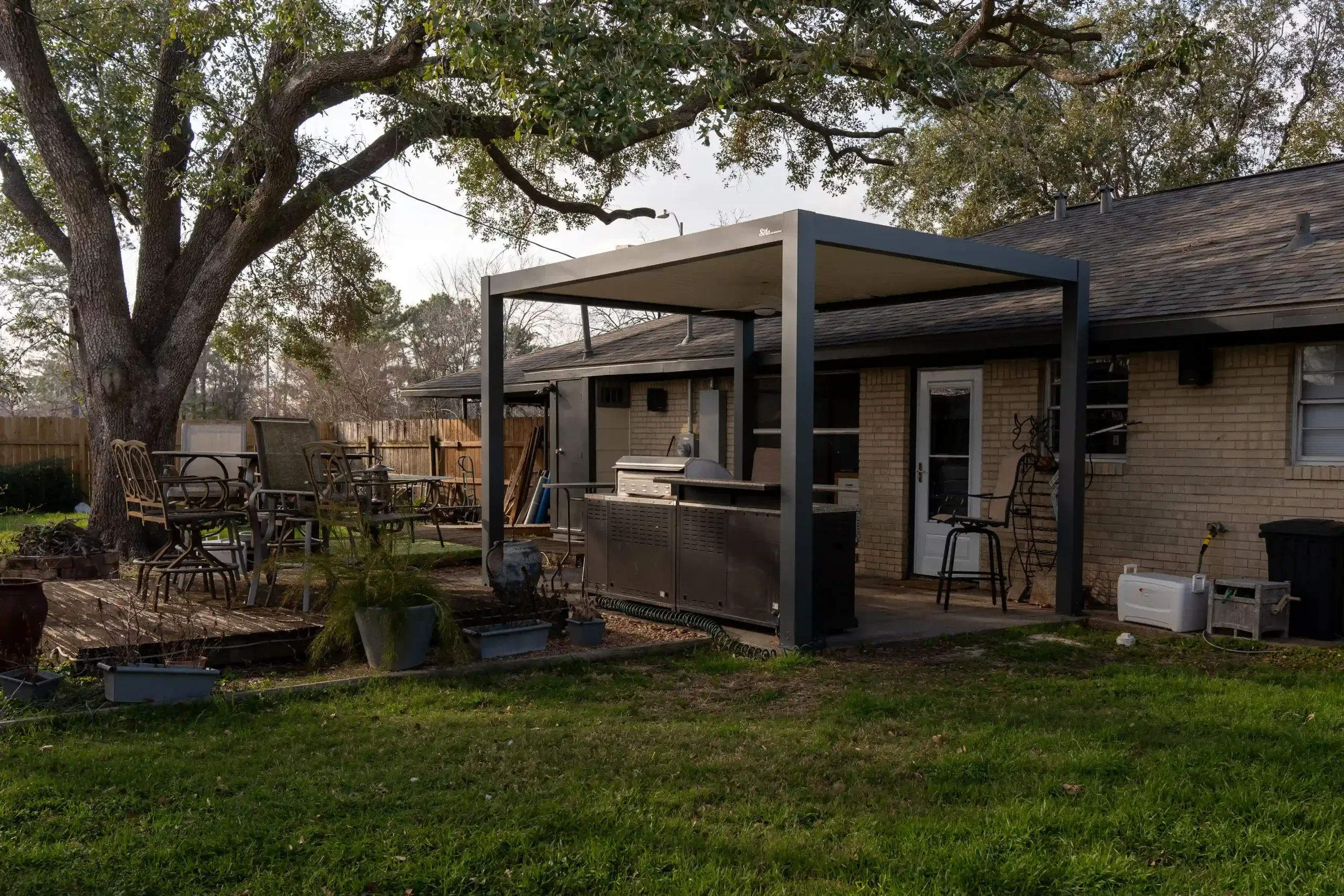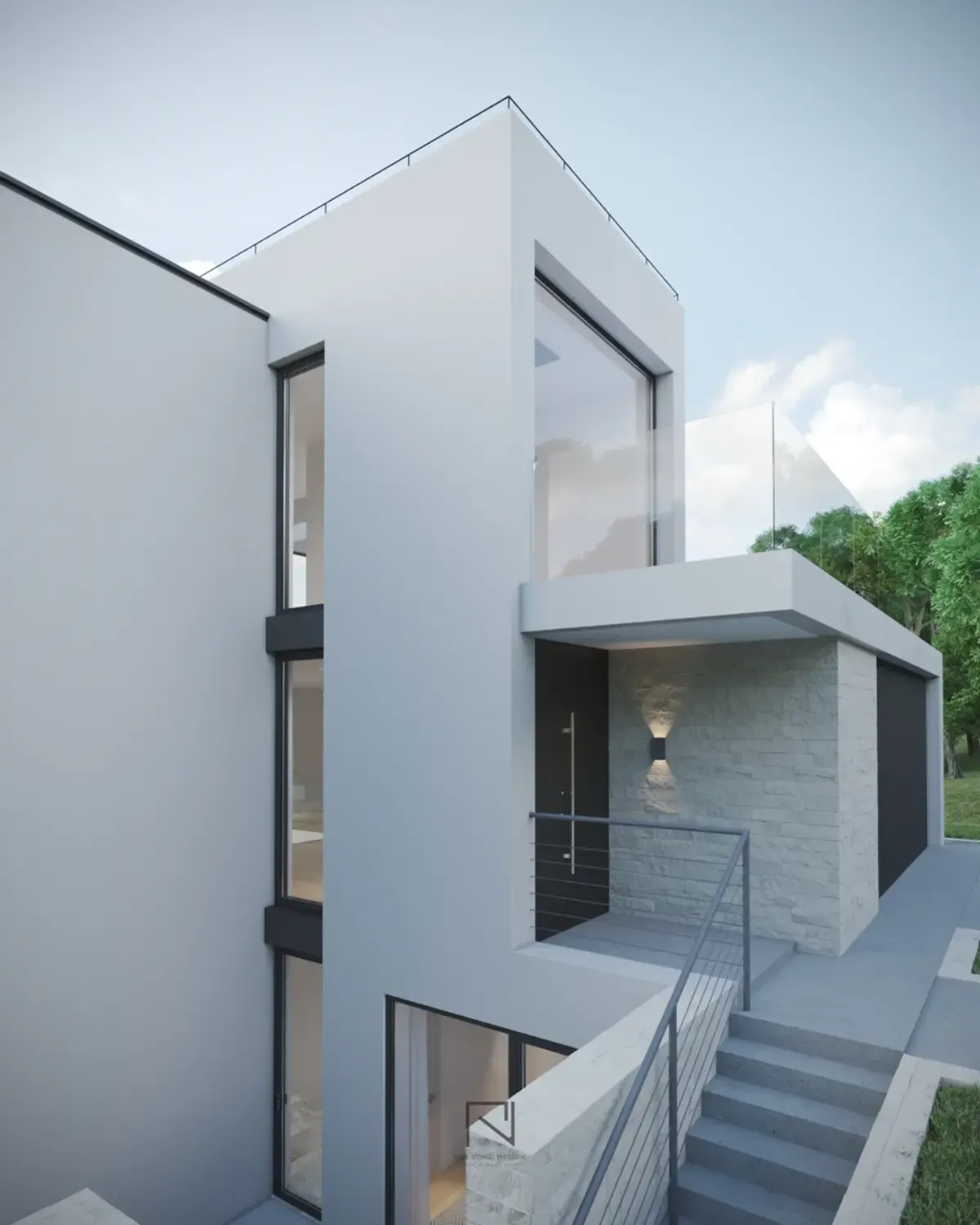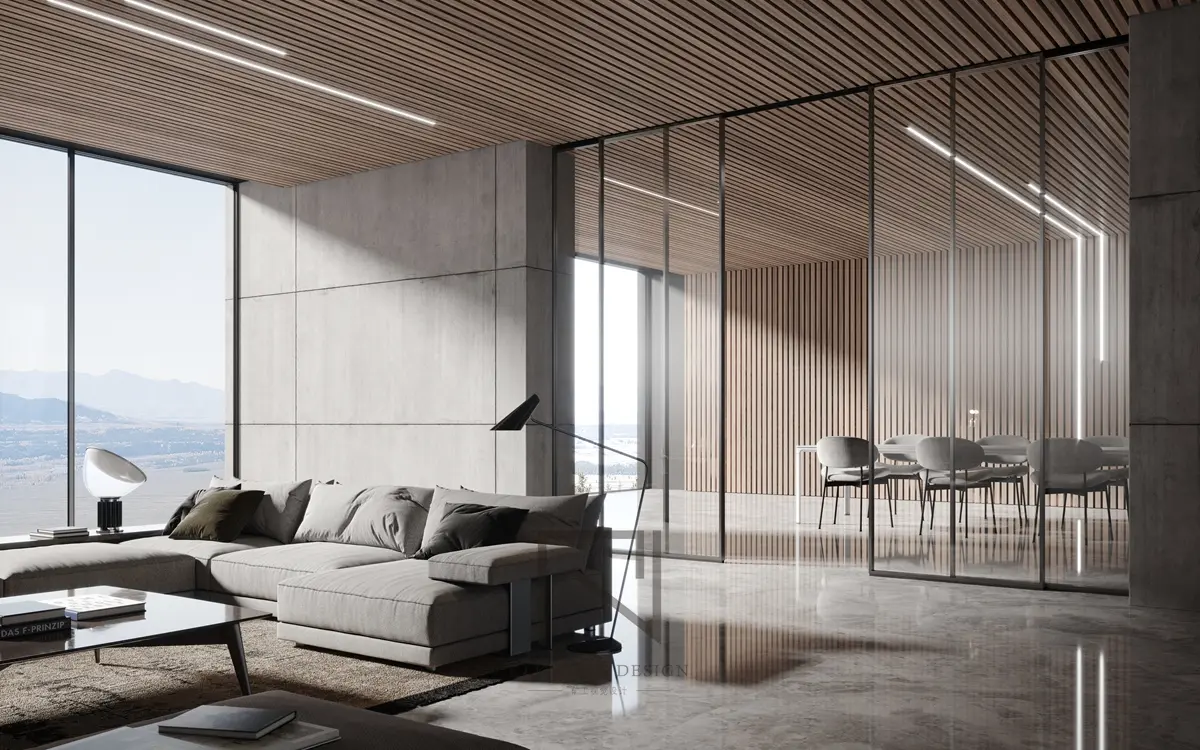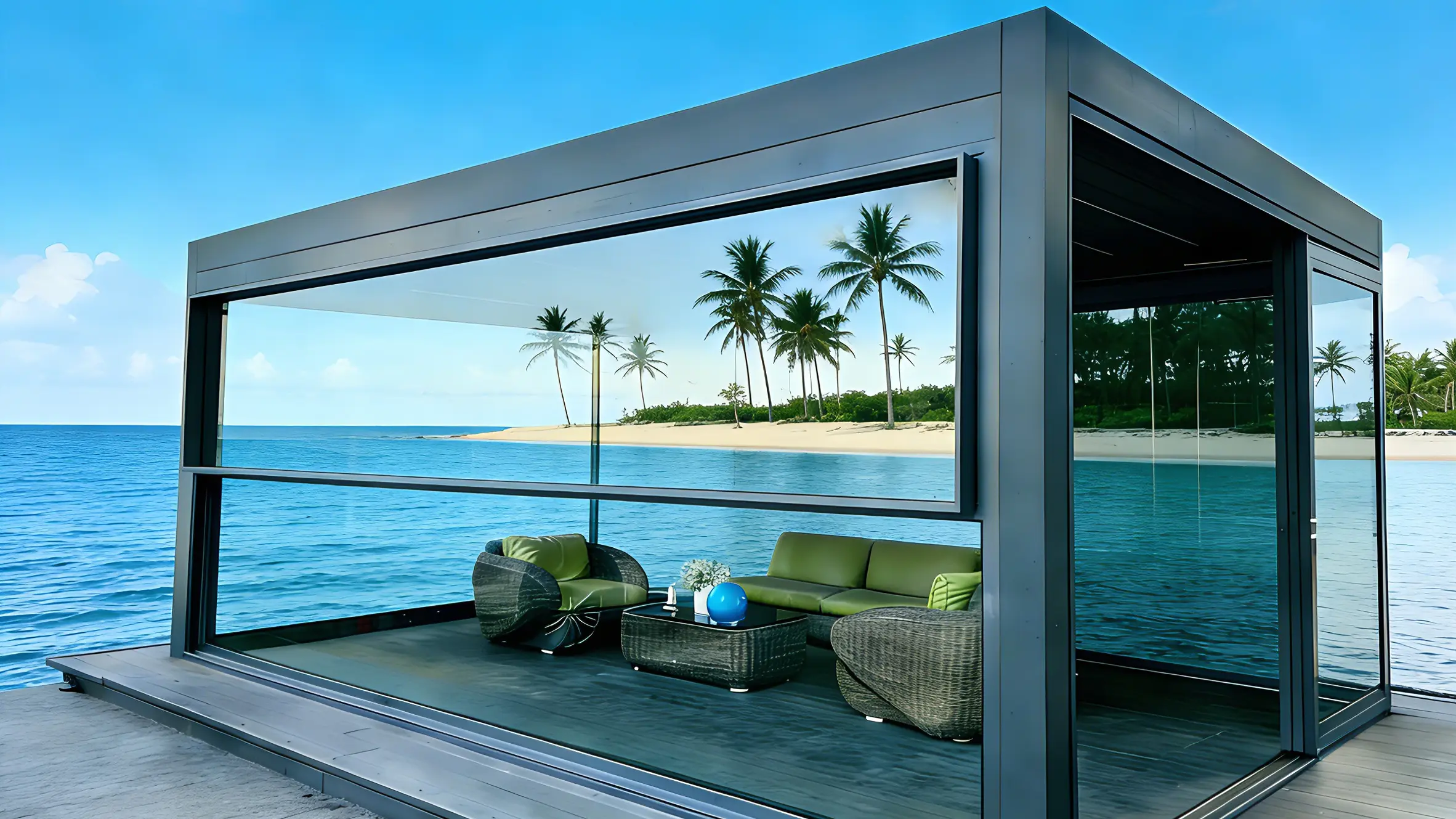
The brief is always the same: create an outdoor living space that feels like an extension of the interior, protected enough to use year-round, and visually restrained enough to let the architecture speak. In tropical Singapore, monsoon Bangkok, or coastal Cape Town, this brief collides with a hostile environment — salt-laden winds, 90% humidity, UV index 12+, and rainfall that arrives in vertical sheets.
Timber warps. Fabric tears. Static shade structures trap heat. For architects who refuse to compromise, the answer is increasingly a motorised aluminium pergola — a precision-engineered system that adapts to weather rather than merely sheltering from it.
1. Aluminium: the only material that survives coastal chemistry
Coastal environments are unforgiving. Salt accelerates corrosion in steel, causes timber to swell and split, and degrades fabric coatings within two seasons. Marine-grade aluminium — specifically 6063-T5 alloy with a powder-coated finish — behaves differently.
The natural oxide layer that forms on aluminium is self-healing. Unlike steel rust, which penetrates and weakens the substrate, aluminium oxidation creates a protective barrier. In independent salt-spray testing, powder-coated aluminium profiles exceed 2,000 hours without substrate corrosion — equivalent to 20+ years of coastal exposure.
For architects specifying projects within 500 metres of the ocean, this is not a preference. It is a material imperative. The Atlas AT Louvre system is engineered from 6063-T5 extrusions with marine-grade hardware, designed explicitly for coastal and tropical climates where maintenance access is limited and replacement costs are punitive.
2. Motorised louvers: architecture that responds to weather
Static roofs are a binary proposition — either open or closed. Motorised louvered pergolas introduce a spectrum of control. Blades rotate from 0° to 120°, allowing the structure to:
- Block midday sun at 90° closure, reducing solar gain by up to 85% while maintaining airflow beneath the structure.
- Channel monsoon rain through integrated drainage when blades are angled at 45°, preventing the standing water and splashing that plague fixed-roof designs.
- Open fully to starlight at 0°, transforming a sheltered dining space into an open terrace in under 30 seconds.
This responsiveness is what distinguishes a pergola from a patio cover. For architects, it means the outdoor space is no longer a seasonal amenity — it is a programmable environmental zone.
The motorisation system matters as much as the blades. Atlas pergolas use IP65-rated tubular motors with stainless steel drive shafts, sealed against dust and direct water jets. Operating temperature range is -20°C to 70°C — more than sufficient for tropical conditions. Mean time between failures exceeds 50,000 cycles, which translates to roughly 15 years of daily operation.
3. Solar integration: self-sufficiency without visible infrastructure
Running 240V power to a freestanding outdoor structure introduces complexity — trenching, conduit, weatherproof junction boxes, and ongoing electrical compliance. Solar-integrated pergolas eliminate this entirely.
Discreet photovoltaic panels mounted on the pergola structure charge an internal battery pack during daylight hours. This stored energy powers the motorisation system, integrated LED lighting, and optional accessories such as ceiling fans or heating elements.
The architectural benefit is invisible infrastructure. There are no visible cables, no external power dependencies, and no trenching across terraces or lawns. The pergola operates as a self-contained system — a requirement that matters increasingly in remote coastal sites and heritage properties where excavation is restricted.
From a specification standpoint, solar integration also future-proofs the project against energy cost volatility and grid reliability issues. In regions with frequent tropical storms and power outages, a self-powered outdoor structure continues to function when the main supply does not.
4. Wind engineering: when 193 km/h is the design baseline
Tropical cyclones and coastal storms routinely produce wind gusts above 150 km/h. In the South China Sea, design wind speeds for structural elements often exceed 193 km/h (120 mph). A pergola that lifts off its footings is not merely a failure — it is a liability.
Engineered aluminium pergolas are designed as structural frames, not decorative shade. The Atlas AT Louvre system is tested to withstand wind loads corresponding to Category 4 hurricane conditions. Key engineering features include:
- Reinforced posts with internal ribbing that distributes lateral forces through the foundation rather than concentrating stress at joints.
- Blade locking mechanisms that secure louvers in a closed position during high-wind events, preventing the sail effect that destroys lesser systems.
- Drainage-integrated gutters that handle rainfall rates of 150 mm/hour without overflow — a common failure point in fixed-roof structures during tropical downpours.
For architects working in cyclone-prone regions, these are specification criteria, not marketing claims. Wind-load certification should be demanded from any pergola manufacturer, and structural calculations should be reviewed by the project's engineer of record.
5. The visual argument: why minimalism matters outdoors
In minimalist architecture, every visible element carries visual weight. A pergola with bulky posts, visible fasteners, or inconsistent finishes undermines the entire composition. Architects specify motorised aluminium pergolas because the material and manufacturing process enable a level of visual restraint that timber and steel cannot match.
Aluminium extrusion allows profiles as slim as 100mm × 100mm for structural posts — dimensions that would be impossible in timber without visible bracing. Powder coating delivers uniform colour consistency across every component, including blades, gutters, and flashings. And the absence of visible fasteners — achieved through concealed cleats and interlocking joinery — preserves the clean lines that minimalist architecture demands.
The Atlas AT Retractable system takes this further with a fabric roof that retracts completely into a compact cassette, leaving only the structural frame visible when open. For projects where the pergola must disappear entirely — roof terraces with skyline views, or gardens where the landscape is the primary design element — this level of visual control is essential.
6. Maintenance economics: the 25-year calculation
Specifying a pergola is easy. Maintaining it for two decades is where material choices reveal their true cost. Timber pergolas in tropical climates require restaining every 18–24 months, replacement of warped boards every 5–7 years, and structural inspection for rot and termite damage. Fabric awnings typically last 3–5 years in high-UV environments before UV degradation causes tearing and colour fading.
An aluminium pergola, by contrast, requires almost no scheduled maintenance:
| Maintenance Item | Timber Pergola | Fabric Awning | Aluminium Pergola |
|---|---|---|---|
| Restaining / Recoating | Every 18–24 months | N/A | Not required |
| Structural Replacement | Every 7–10 years | Every 3–5 years | 25+ years |
| Hardware Replacement | Every 5 years | Every 3 years | 15+ years (motors) |
| Annual Maintenance Cost | $800–$1,500 | $400–$800 | $50–$100 (cleaning only) |
For a commercial hospitality project with a 10–15 year lease, the maintenance cost differential alone often justifies the higher initial capital outlay of an aluminium system.
7. Specification checklist for architects
When evaluating motorised aluminium pergolas for a tropical or coastal project, demand the following from your supplier:
- Alloy specification: 6063-T5 or equivalent structural aluminium alloy. Do not accept 6060 or lower-grade extrusions for structural posts.
- Coating certification: Powder coating to Qualicoat or AAMA 2604 standard, with salt-spray test results exceeding 2,000 hours.
- Wind-load documentation: Structural calculations signed by a registered engineer for your project's design wind speed.
- Motor IP rating: IP65 minimum for tropical environments with direct rain exposure.
- Drainage capacity: Gutter system rated for rainfall intensity of at least 150 mm/hour.
- Warranty terms: Minimum 10-year structural warranty and 5-year motor warranty.
Any manufacturer unwilling to provide these documents is not engineering to architectural standards — they are selling a consumer product dressed in professional language.
Conclusion: specification as environmental design
A motorised aluminium pergola is not a garden accessory. In tropical and coastal architecture, it is an environmental control system — one that modulates light, rain, wind, and temperature with the same precision that interior HVAC systems modulate climate.
For architects, the specification decision is simple: choose a system that is engineered for your climate, certified for your wind loads, and restrained enough to complement rather than compete with your design. The material is aluminium. The control is motorised. The result is an outdoor space that performs as reliably as the building it extends.
If you are specifying a motorised pergola for a tropical or coastal project and would like technical drawings, wind-load calculations, or a sample review, contact the Atlas specification team for project-specific documentation.