Window
Engineered for tropical climates
Windows that breathe
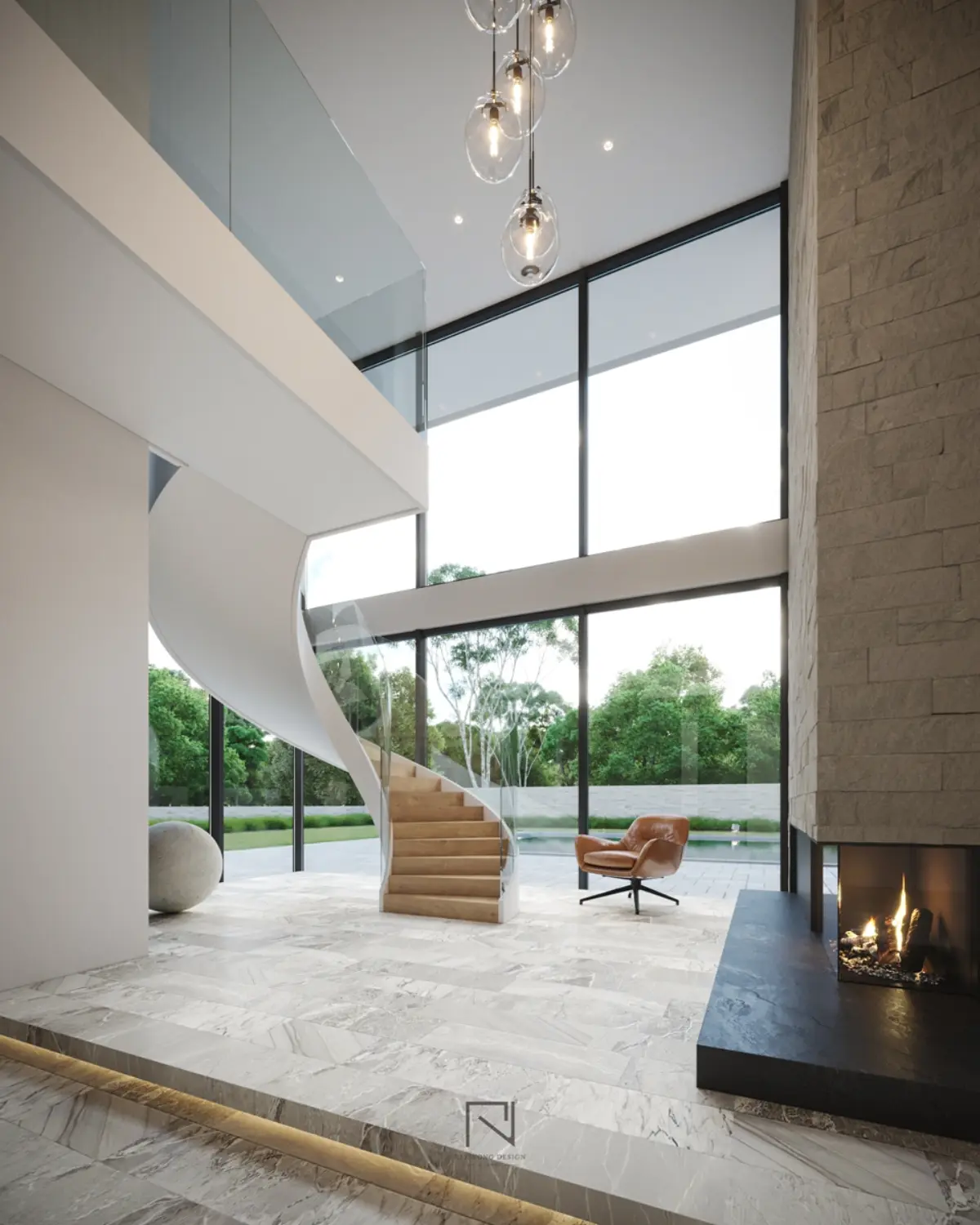
Atlas windows combine thermal efficiency, acoustic control, and hurricane-grade structural integrity. From slim-framed casements to expansive sliding systems, every profile is designed to maximize daylight while minimizing heat gain.
Our window systems
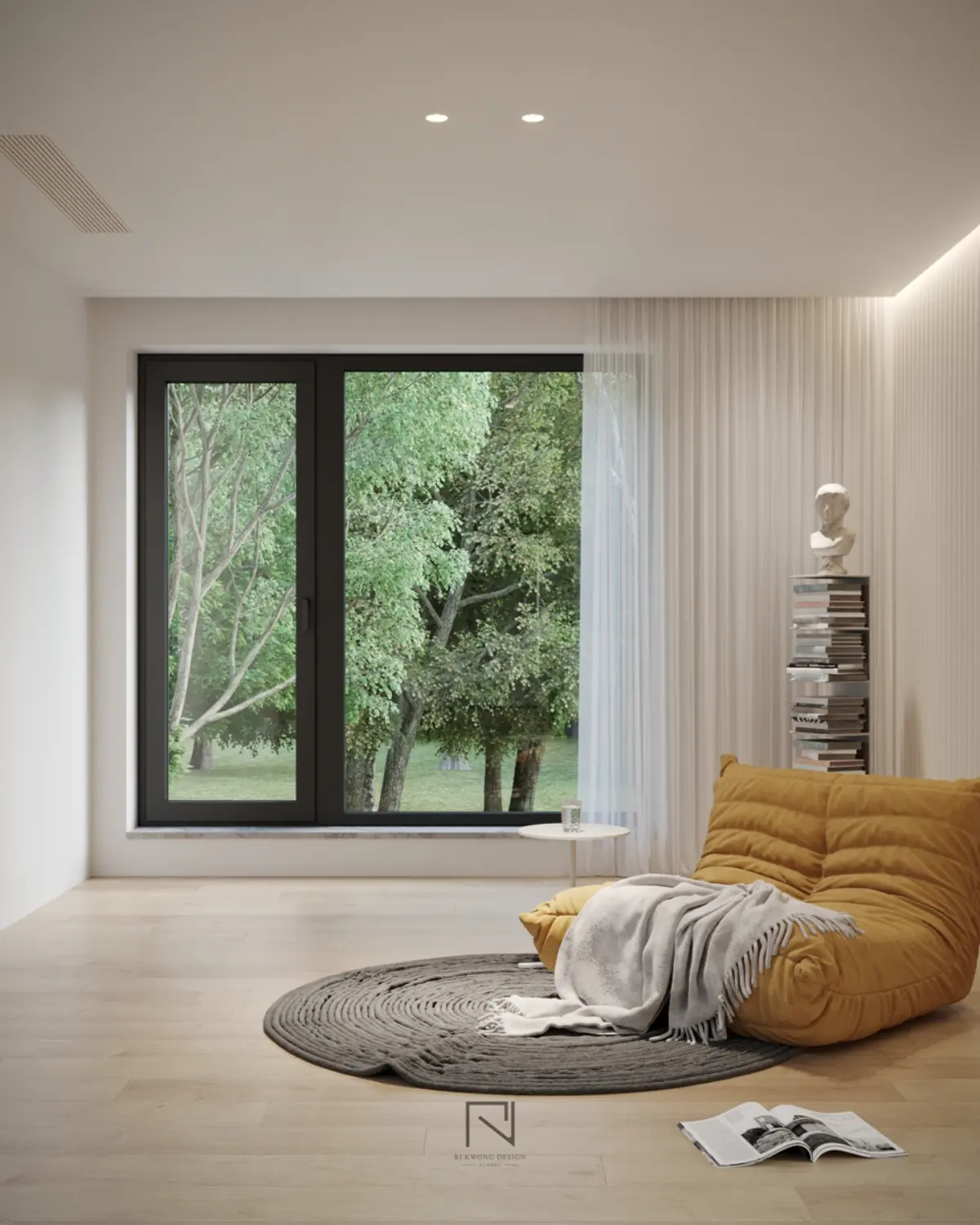
AT Casement
AT Casement features a slim thermally broken aluminium frame with multi-point locking and a continuous compression seal. The sash opens outward on concealed friction hinges, capturing breezes and directing airflow deep into the room.
AT Sliding
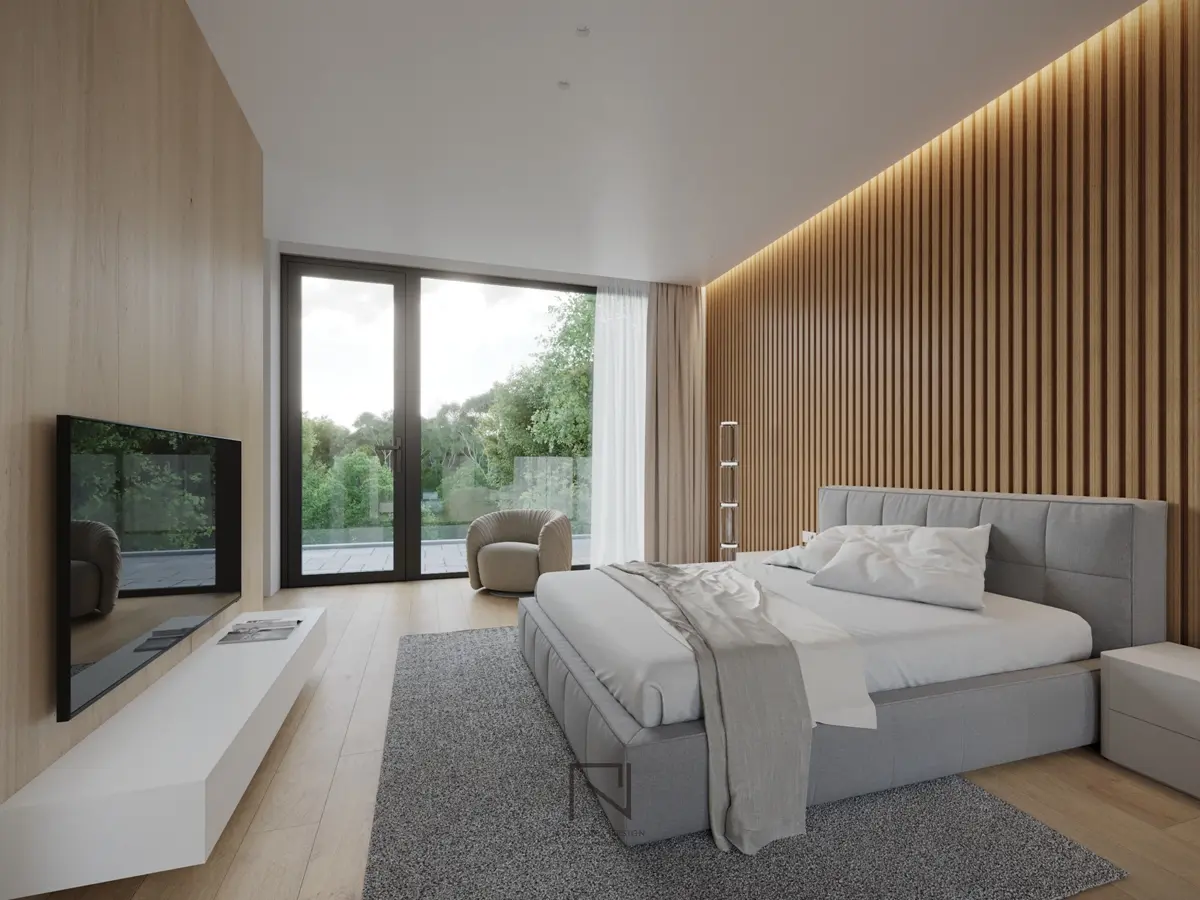
AT Sliding delivers expansive glass areas with minimal sightlines. The dual-rail system uses stainless steel rollers and a self-cleaning track for effortless operation, even on large-format panels up to 3 metres wide.
AT Fixed
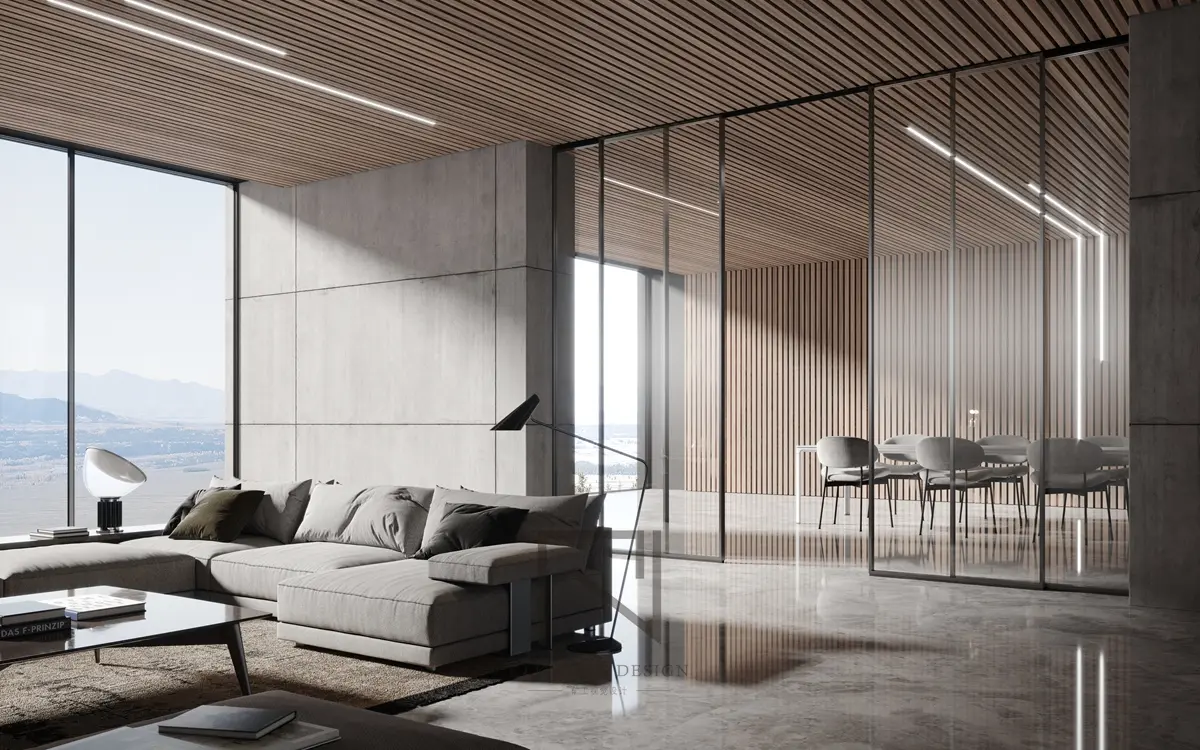
AT Fixed is designed for maximum transparency. With no operable hardware, the frame can be engineered to ultra-slim profiles while maintaining structural integrity for oversized glazing.
Common questions
What glazing options are available for Atlas windows?
We offer double and triple glazing with low-E coatings, argon fill, and laminated acoustic or security glass. All glazing is processed in-house up to 9 metres in length, ensuring precise fit and consistent quality.
Are Atlas windows suitable for high-rise and coastal applications?
Yes. Atlas window systems are engineered with hurricane-rated hardware and reinforced frames for high-rise and coastal applications. Wind resistance is rated to Class C5 (EN 12210), and water tightness reaches 1,000 Pa — critical for monsoon climates and wind-driven rain.
What is the difference between casement and sliding windows?
Casement windows open outward on hinges and deliver superior weather sealing through compression gaskets — ideal for air-conditioned spaces and bedrooms. Sliding windows move horizontally along a track, requiring no swing radius, making them perfect for balconies and spaces where panoramic views are prioritised.
How thermally efficient are Atlas window systems?
Atlas systems use polyamide thermal break technology to reduce heat transfer. U-values range from 1.3 W/m²K (triple-glazed fixed) to 1.6 W/m²K (double-glazed sliding), making them suitable for both naturally ventilated and air-conditioned buildings in tropical and temperate climates.
Related guides
Ultra-Slim Window Profiles
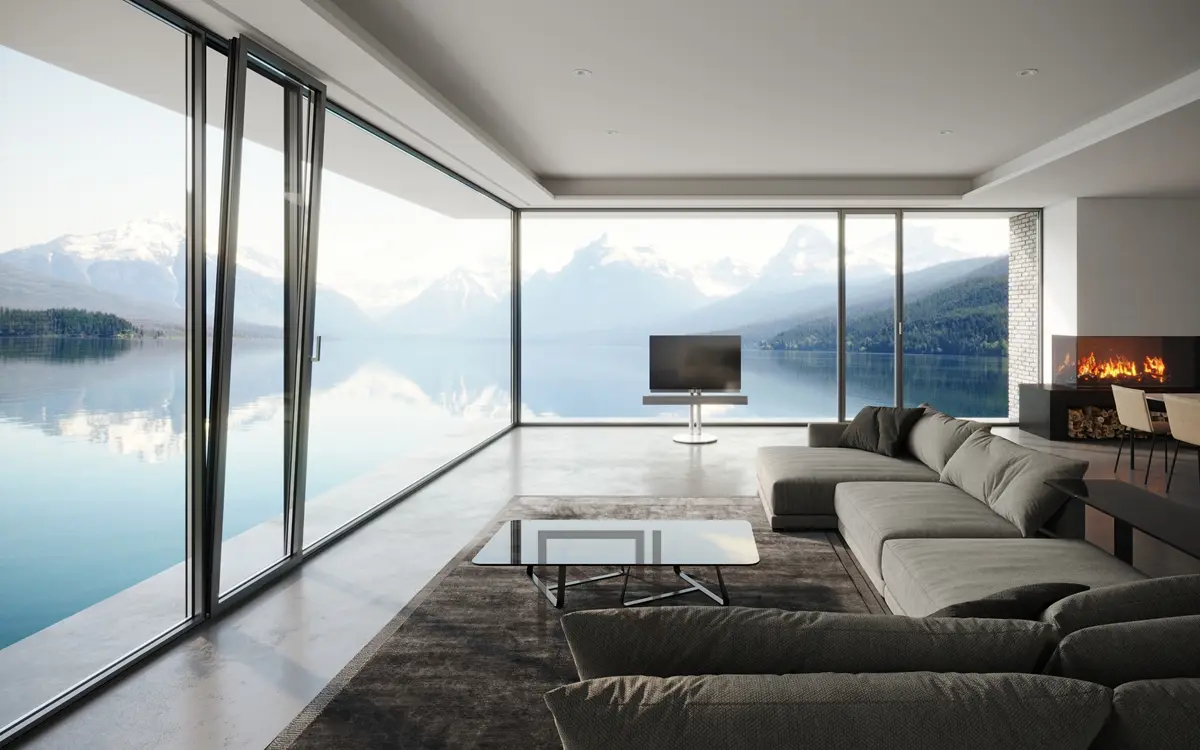
In minimalist architecture, the frame should disappear. But ultra-slim profiles demand exceptional engineering. This guide explains sightlines, face widths, and interlocks — and how Atlas achieves structural integrity with interlocks as narrow as 22mm.
Aluminium vs uPVC vs Timber
Aluminium, uPVC, and timber each have strengths and weaknesses. For tropical and coastal homes, the decision is often made by humidity, salt corrosion, UV exposure, and maintenance tolerance. This guide compares all three materials head-to-head.
Casement vs Sliding Windows
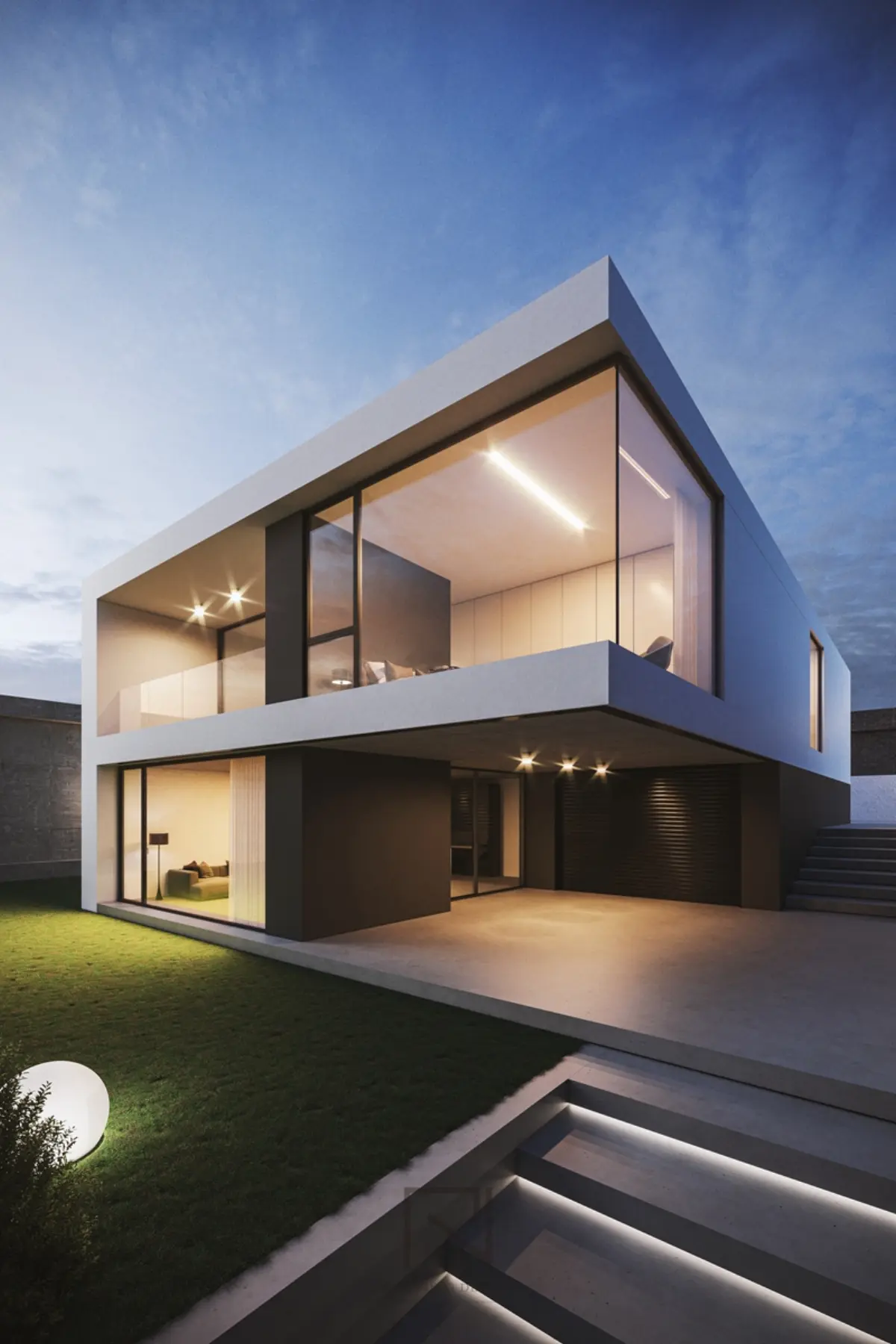
Casement and sliding windows serve different architectural purposes. This guide compares ventilation, weather sealing, space efficiency, and maintenance — with specific recommendations for tropical climates like Singapore, Bangkok, and coastal Southeast Asia.
Let's discuss your project
Our team of experts will guide you through every step, from specification to installation.
GET IN TOUCH